

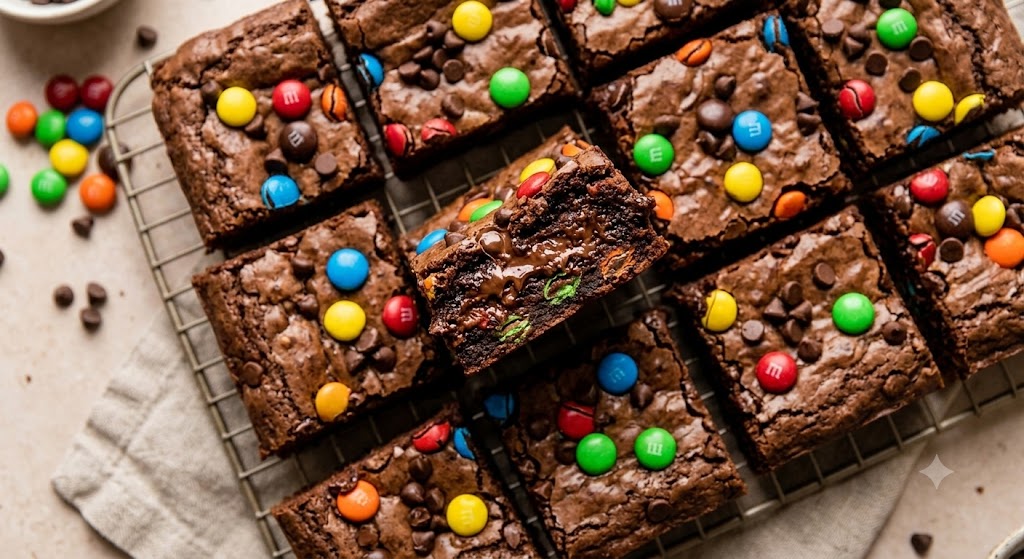
There’s a specific kind of brownie people chase and rarely find at home: dense and fudgy in the middle, with a paper-thin, shiny, crackly top that shatters slightly when you bite into it. This recipe gets you there — no boxed mix, no shortcuts, just a handful of pantry staples and one bowl. Melted M&M’s are folded through the batter so every square has pockets of gooey color, plus a few pressed on top for that bakery-case look.
If you’ve ever made brownies that turned out cakey, dry, or just “fine,” the difference usually comes down to a few small technique choices: how you measure your flour, how long you whisk your eggs and sugar, and resisting the urge to slice too early. This article walks through all of it.
Why This Recipe Works
A few deliberate choices separate these from an average brownie:
- Extra egg yolk. The additional fat and richness from one extra yolk (on top of two whole eggs) is what pushes the texture toward fudgy rather than cakey.
- Whisking the sugar and eggs until thick. This step incorporates air and dissolves the sugar, which is a big part of what creates that glossy, crackly top once baked.
- A touch of espresso powder. You won’t taste coffee — it just deepens and rounds out the chocolate flavor.
- Two kinds of chocolate. Melted chocolate chips build the fudgy base, while chopped chocolate chunks folded in at the end create pockets of melty chocolate throughout.
- Not overbaking. Pulling the pan while a few moist crumbs still cling to the toothpick, then letting the brownies finish cooking as they cool, is what keeps the center soft instead of dry.
Ingredient Notes
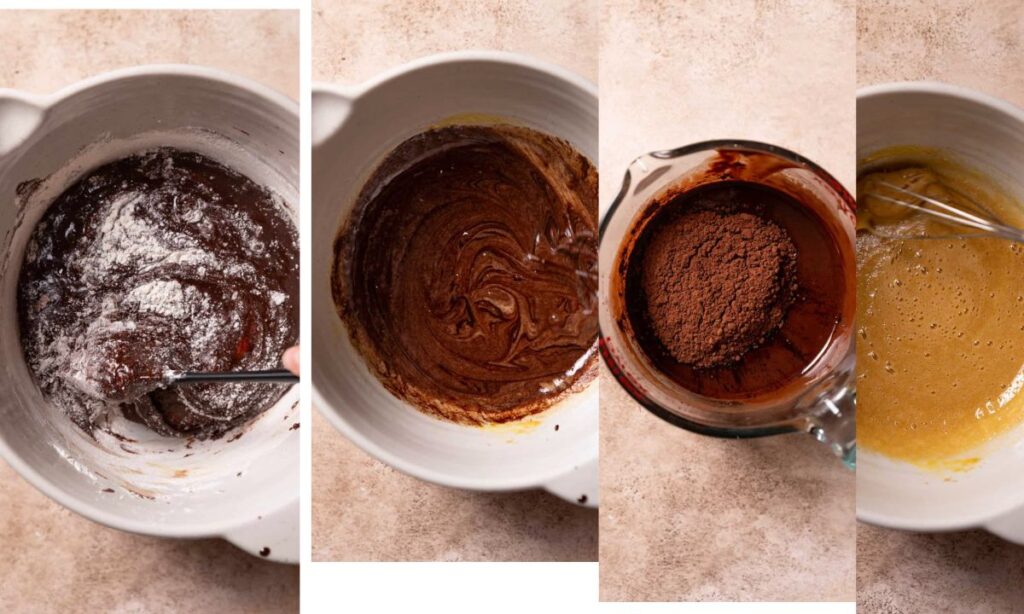
- Butter: Unsalted, so you control the salt level. Melt it together with the chocolate rather than creaming it — this recipe doesn’t need a stand mixer.
- Cocoa powder: Dark or “dutch-process” cocoa gives a deeper color and more intense chocolate flavor than natural cocoa powder, though natural cocoa will still work in a pinch.
- Brown sugar vs. granulated sugar: Using both adds moisture and a slight chew (from the brown sugar’s molasses) alongside the crisp top that granulated sugar helps create.
- Flour: Measure by spooning it into the cup and leveling off the top — scooping directly from the bag packs in extra flour and is one of the most common reasons homemade brownies turn out dry.
- M&M’s: Regular size works best for folding into batter; minis work too but tend to bleed color slightly more into the surrounding batter.
Equipment Tips
- Use a light-colored metal baking pan with straight sides — glass and ceramic retain heat differently and can leave you with overbaked edges before the center is set.
- Parchment paper with overhanging edges lets you lift the entire slab out of the pan cleanly, which makes for much neater slicing than trying to cut brownies still in the pan.
- A stand-alone oven thermometer is worth using if you bake often; many home ovens run hotter or cooler than their display suggests, and brownies are sensitive to that gap.
The Recipe
(See the interactive recipe card above — it lets you scale servings and includes step-by-step instructions with built-in timers.)
Storage and Make-Ahead Tips
- Room temperature: Store cooled, cut brownies in an airtight container for up to 3 days. Their texture actually improves slightly on day two as the flavors settle.
- Refrigerator: Up to a week in an airtight container. Let them come to room temperature before serving for the best fudgy texture, since chilling firms them up.
- Freezer: Wrap individual squares tightly in plastic wrap, then place in a freezer bag for up to 3 months. Thaw at room temperature for about an hour.
- Make-ahead batter: The unbaked batter can be covered and refrigerated for up to 24 hours; bring it closer to room temperature before baking so it bakes evenly.
Troubleshooting Common Brownie Problems
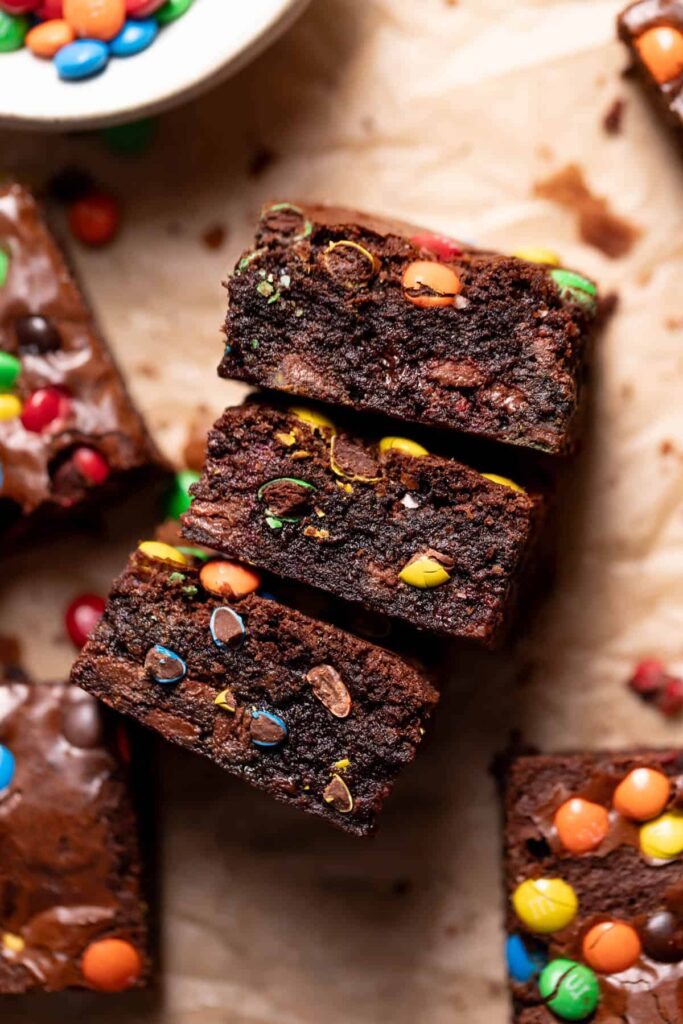
My brownies came out cakey, not fudgy. This is almost always about the flour-to-fat ratio or overbaking. Double check your flour measurement (spoon and level, don’t scoop), and pull the pan a few minutes earlier next time — the center should still look slightly underdone when you take it out.
I didn’t get a shiny, crackly top. This usually means the sugar and eggs weren’t whisked long enough before the chocolate was added. Whisk until the mixture is noticeably thicker and paler than when you started — this typically takes a couple of minutes by hand, less with an electric mixer.
My brownies sank in the middle. This is often a sign of slight underbaking or opening the oven door too early, which can cause temperature swings. Try adding a few extra minutes next time and avoid opening the oven until close to the end of the bake time.
The edges are overdone but the center is still raw. This can point to an oven running hot, a glass or ceramic pan retaining too much heat, or a pan placed too close to the heating element. Moving the rack to the center position and using a metal pan usually helps.
Variations to Try
- Swap the mix-in: Try peanut butter chips, chopped pretzels, or crushed candy bars in place of the M&M’s for a different flavor profile.
- Add nuts: Toasted walnuts or pecans folded in alongside the chocolate add crunch and a slightly nutty contrast to the richness.
- Salted version: A light sprinkle of flaky sea salt on top right before baking plays well against the sweetness of the M&M’s.
- Seasonal M&M colors: Since the M&M’s are visible on top, swapping in holiday-colored or seasonal bags is an easy way to dress these up for a specific occasion without changing the recipe itself.
Frequently Asked Questions
Can I double this recipe?
Yes — use a 9×13-inch pan instead of an 8×8, and expect to add roughly 8-10 extra minutes to the bake time. Start checking for doneness at the original time and go from there.
Do I need a mixer?
No. This is designed as a one-bowl, whisk-by-hand recipe. A hand or stand mixer can speed up the sugar-egg whisking step, but it isn’t required.
Can I use a boxed brownie mix instead and just add the M&M’s?
You certainly could fold M&M’s into a boxed mix, but the texture and crackly top described here come specifically from this recipe’s ratios and technique, so results with a box mix will vary.
Why did my M&M’s lose their color?
Folding them in too early or overmixing can cause the candy shell to start dissolving slightly, which bleeds color into the batter. Fold them in gently and just until distributed, and add a few extra whole ones on top right before baking for a cleaner look.

Jeorge Belly is the founder of InfozStars and has over 4 years of experience in blogging and content writing. He enjoys sharing easy, delicious, and family-friendly recipes, along with practical cooking tips to help people prepare tasty meals at home. His goal is to make cooking simple, enjoyable, and accessible for everyone.