

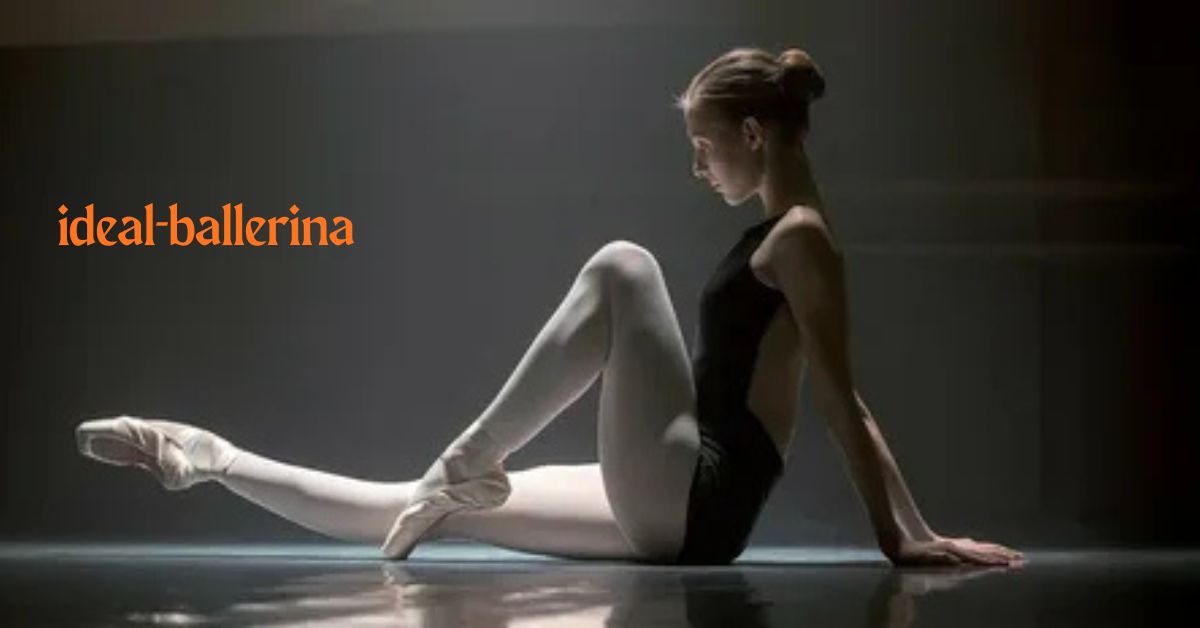
The ideal ballerina body height and weight are not about perfection but about balance, strength, and grace. In the United States, ballet dancers train for years to achieve a blend of beauty, flexibility, and discipline. The ideal ballerina physique comes from years of training that shapes every muscle to support powerful yet effortless movements.
What makes ballet special is that it values control and coordination more than just measurements. Every movement reflects the harmony between endurance and elegance.
What Defines the Ideal Ballerina Body
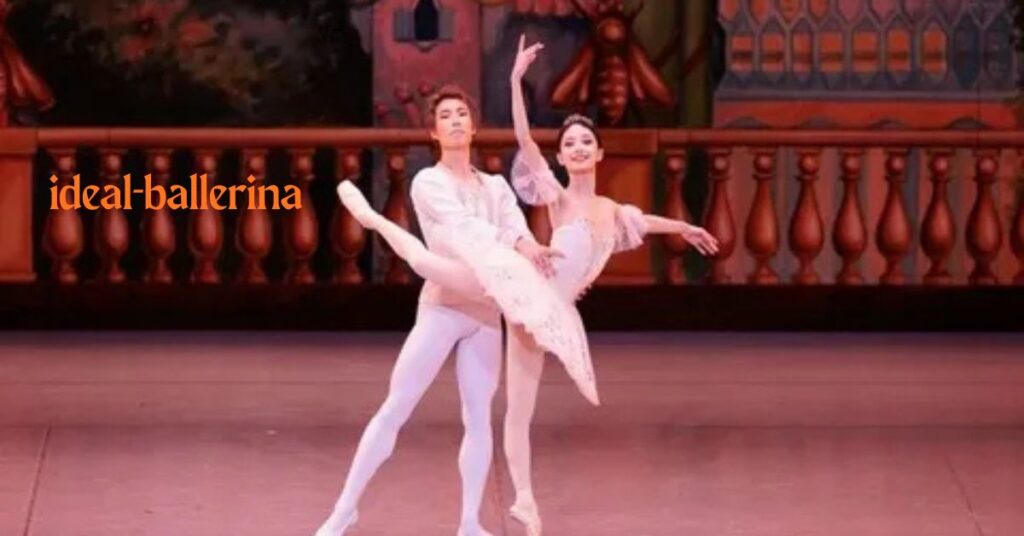
A ballerina beauty lies in her poise, energy, and expression. The perfect ballerina body shape shows strength without bulk. Dancers develop a lean ballet body structure through daily practice that sculpts their legs, back, and arms while maintaining soft, fluid lines. This mix of flexibility and stamina defines the classical ballet body type admired in the industry.
The ideal ballet dancer proportions are often discussed in schools and studios. Teachers look for long limbs, flexible feet, and a balanced torso. These features help dancers create symmetry and control. Still, the body requirements for ballet are never just physical; they include confidence, rhythm, and storytelling through motion.
YOU CAN ALSO READ THIS: Cam Gigandet Height and Weight, and Fitness Secrets
Average Height and Weight of Professional Ballerinas
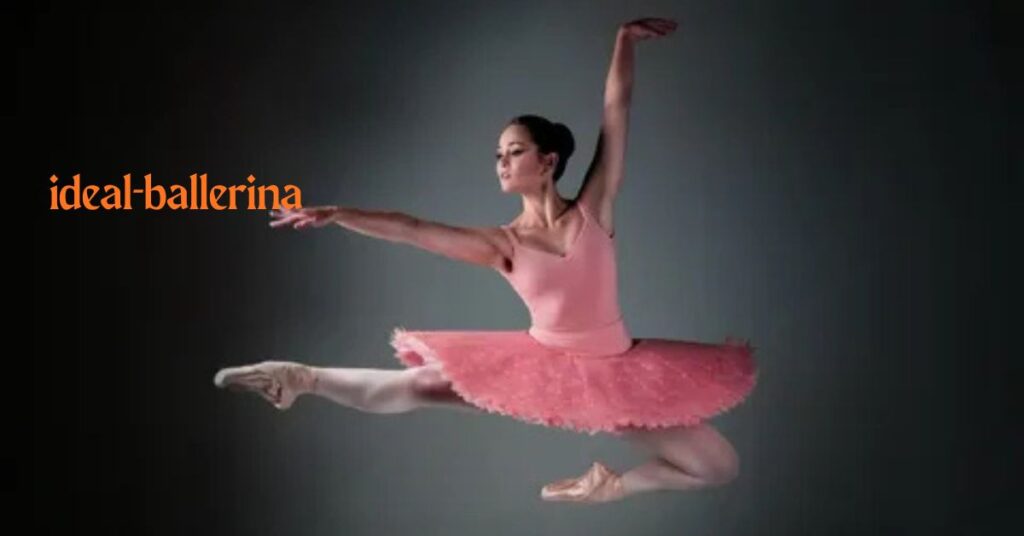
The average ballet dancer height in major U.S. companies usually ranges from 5’2” to 5’8”. The typical height of a ballerina helps maintain visual harmony during group performances. However, short and tall dancers can both excel depending on their roles.
The ballet dancer weight standards vary with build, muscle tone, and style. Most professionals weigh between 90 and 120 pounds. Below is a quick view of professional ballerina measurements based on data from American ballet schools.
| Category | Average Height | Average Weight |
| Student Dancer | 5’0”–5’5” | 85–105 lbs |
| Professional Ballerina | 5’4”–5’8” | 100–120 lbs |
These numbers are only guidelines, not rules. Each dancer finds balance according to her frame and performance demands.
Why Height Matters in Ballet Performance

Stage visuals depend on proportion and harmony. The height of a dancer affects how formations and lifts appear under stage lights. Tall ballerinas often create sweeping lines that draw the eye, while shorter dancers deliver faster spins and jumps.
In duets, matching partners in size is key for smooth lifts. This is why how tall professional ballet dancers are can influence casting in specific roles. Height helps create uniformity in classical pieces, where visual symmetry is vital to storytelling.
The Perfect Weight Ratio for Ballet Dancers
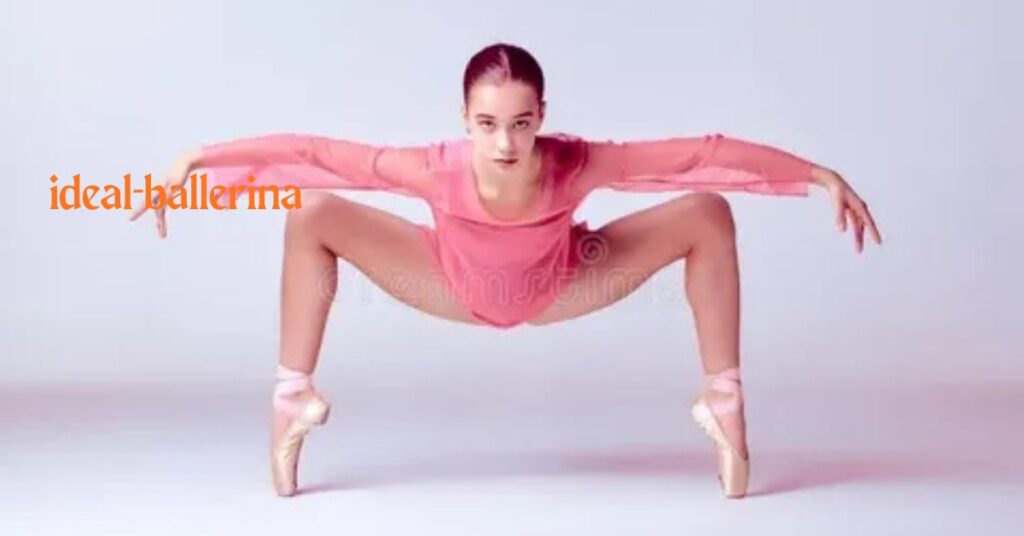
The ideal weight for a ballet dancer balances strength and mobility. Too little weight reduces endurance, while too much limits grace. A’s ballet dancer body composition includes lean muscle, minimal fat, and joint flexibility. Professionals keep their body fat percentage for dancers between 15% and 22% to perform effortlessly.
Maintaining weight is part science, part discipline. The healthy weight range for dancers is guided by age and activity level. Dietitians design a healthy ballerina diet filled with lean proteins, fruits, and whole grains to support energy during rehearsals.
Body Proportion and Muscle Tone in Ballet
Perfect proportion enhances movement lines. The ballet body vs the athletic body differs in its purpose. Ballet demands elegance, while athletic forms focus on speed or power. The athletic ballet body type combines both traits—long muscles, narrow hips, and an upright spine.
Strong muscles define grace. The strong legs and core for ballet allow turns and jumps with control. Regular stretching keeps joints flexible, supporting smooth transitions. The aesthetic ballet posture reflects endless hours of training that bring together alignment, balance, and stability.
Ballet Training and Its Impact on Body Shape
Years of training reshape the body. Each plie, arabesque, and tendu strengthens different muscle groups. Over time, a natural ballet body transformation occurs—legs become leaner, shoulders open, and the waist narrows. This happens gradually through repetition and consistency.
Training at professional levels creates visible results. Elite dancers often train six days a week. Their ballet training body goals include flexibility, endurance, and perfect control. These results are the outcome of relentless commitment, not genetics alone.
How Genetics Influence a Ballerina Build
Genes play a role in defining natural ability. Bone length, hip width, and muscle type are inherited. These traits influence ideal ballet dancer proportions and flexibility. Some have longer limbs that make movements look more fluid, while others have shorter builds ideal for power and speed.
Even so, hard work outshines limitations. Many performers with nontraditional frames thrive through discipline. Genetics may set a base, but dedication completes the dancer’s shape. The truth about can short girls can become ballerinas is simple—yes, skill beats stature.
Maintaining a Healthy Weight as a Dancer
A ballerina’s life revolves around balance. Food is fuel, not restriction. The what do ballerinas eat daily plan includes vegetables, nuts, and lean meat. Hydration and rest are as important as training. This routine sustains their rhythm and motion.
Mental health matters as much as the body. Pressure from looks can affect confidence. The body image in the ballet industry has evolved in recent years, focusing more on wellness than size. In the U.S., companies promote body diversity, helping dancers perform without fear of judgment.
Common Myths About the “Perfect” Ballet Body
Many think the real ballerina body vs stereotype means being tall and thin. That’s far from true. Modern ballet celebrates individuality. Companies now cast dancers with different shapes, breaking old barriers about what defines beauty in dance.
The famous ballerinas height and weight vary widely. Misty Copeland, for example, stands 5’2” yet dominates stages worldwide. Her success proves that artistry outshines size. The industry now welcomes all who display heart, strength, and resilience.
Conclusion: Embracing Every Ballerina Body Type
The ideal ballerina body height and weight are not a single number or look. It’s about harmony between mind, body, and rhythm. The secret lies in confidence, persistence, and passion. The importance of balance and posture in ballet reminds every dancer that true perfection comes from within.
Every ballerina journey is unique. Whether petite or tall, slender or strong, each can shine with the right spirit. Embrace individuality, nourish your body, and celebrate every move—because ballet belongs to everyone.
FAQ’s
What is the ideal weight for a ballerina?
The ideal weight for a ballerina usually ranges between 90 and 120 pounds, depending on height and muscle tone.
Is 5’7″ too tall to be a ballerina?
No, 5’7″ is not too tall to be a ballerina; many professional dancers are this height or taller.
Can I be a ballerina if I’m not skinny?
Yes, you can be a ballerina even if you’re not skinny, as modern ballet values strength, skill, and artistry over size.
What are the physical requirements to be a ballerina?
Ballerinas need flexibility, strong core muscles, balance, endurance, and proper posture for professional performance.
What body type is best for ballet?
A lean, flexible, and well-proportioned body type with strong legs and core is ideal for ballet.
Who is the tallest female ballerina?
The tallest female ballerina recorded is Maria Tallchief, who stood around 5’9″ and performed with unmatched elegance.
