

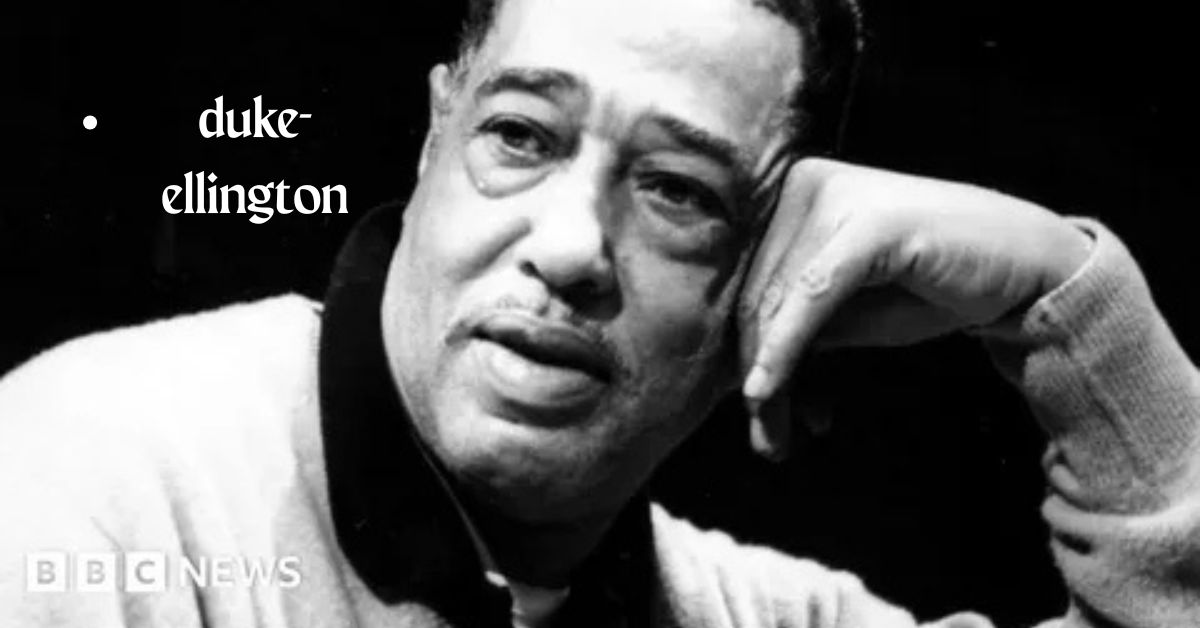
Duke Ellington remains one of the most influential figures in American music, known for shaping the sound of jazz through his talent as a composer, pianist, and bandleader. His career, which lasted more than five decades, created a financial legacy built on performances, recordings, and timeless compositions. His work also strengthened the jazz musician earnings model and expanded the value of classic jazz recordings worldwide.
Ellington’s creative success helped build a strong catalog that still generates income today, reflecting his lasting impact on culture and the financial worth of jazz artists. His name continues to represent quality, innovation, and a deep financial legacy.
Introduction to Duke Ellington’s Financial Legacy
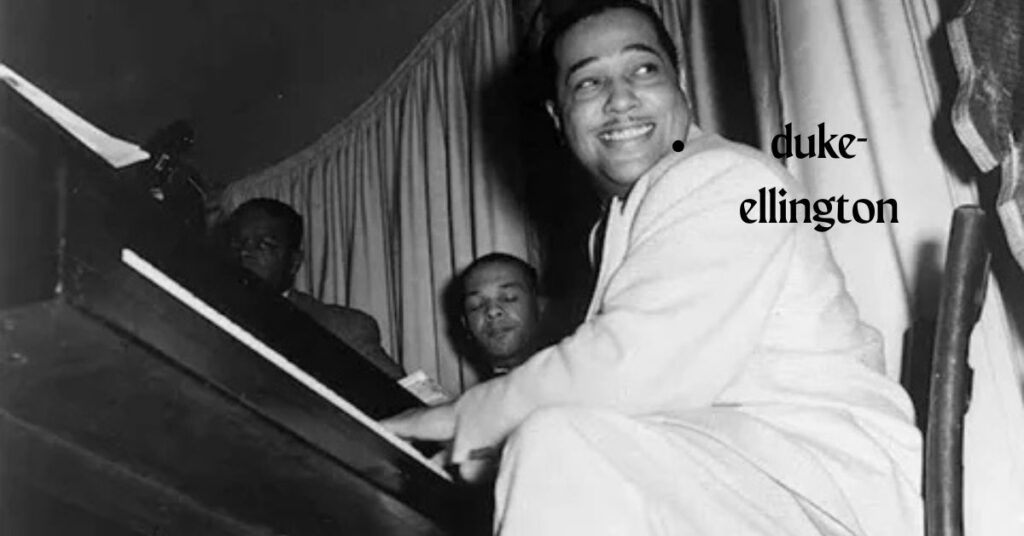
Edward Kennedy Ellington shaped American music with his calm leadership, rich style, and bold creativity. His long path in the jazz world created enormous artistic value and a financial trail that stretches far beyond his lifetime. He worked through the big-band period, the swing era, and the rise of modern jazz, turning his creative ideas into long-lasting recordings that still bring in jazz musician earnings and show the financial status of a jazz icon. His name became a symbol of quality, innovation, and classic American sound.
Ellington’s influence touched global culture and strengthened the economic footprint in music. His compositions helped define the monetary value of music catalogs, while his tours, concerts, and studio work showed how far a musician could go through pure talent. The money he earned across his life also became a model of historical wealth estimate, with records, performances, and collaborations forming the base of his financial path.
YOU CAN ALSO READ THIS: Dr Hugh Ross Net Worth (2025): Income, Career, Ministry Earnings & Biography Revealed
Duke Ellington Net Worth Overview (At Death & Today’s Value)
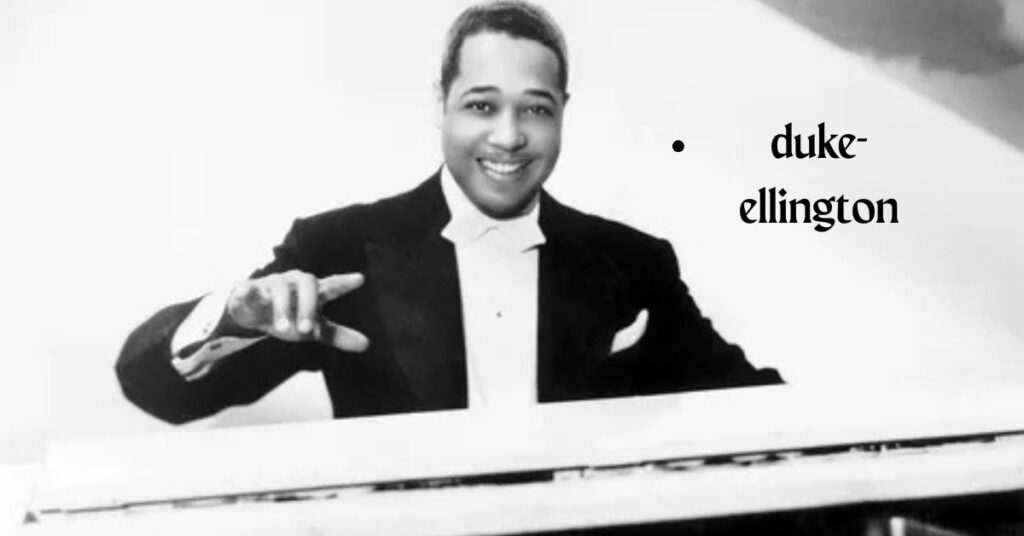
At the time of his passing in 1974, Ellington held a strong financial position for an artist of his era. Reports from the period show he left behind a major music catalog, royalty flow, and assets that reflected his position in the industry. When adjusted through adjusted inflation, his earnings show a much higher amount in modern figures.
If his wealth is translated into today’s economy, analysts place his value significantly higher due to the growing vintage music value growth and increased demand for his recordings. His historic catalog benefits from steady interest, making his total worth even larger when evaluated through a music portfolio valuation study.
How Duke Ellington Built His Wealth
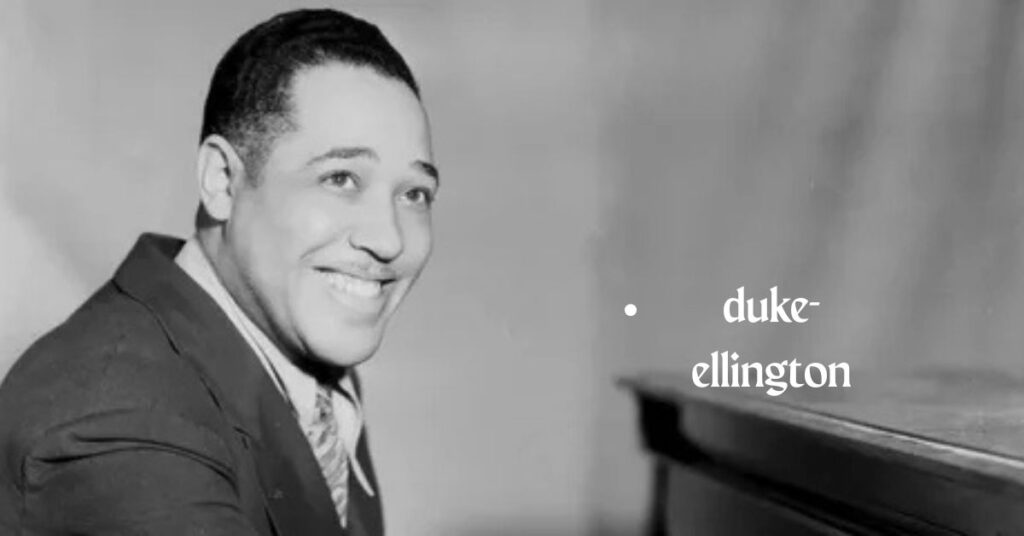
Ellington combined creative talent with smart professional judgment. He directed one of the most influential orchestras in history, which allowed him to earn a steady income through leadership pay and orchestra leader income. He also kept control of many compositions, turning creative ownership into long-term financial power.
Through decades of writing, recording, and performing, he collected money from several sources of musician income. These included concerts, radio work, film features, and many commissioned works. His career shows a complete picture of professional journey earnings and a musician who built value step by step.
Ellington’s Earnings from Music & Jazz Compositions
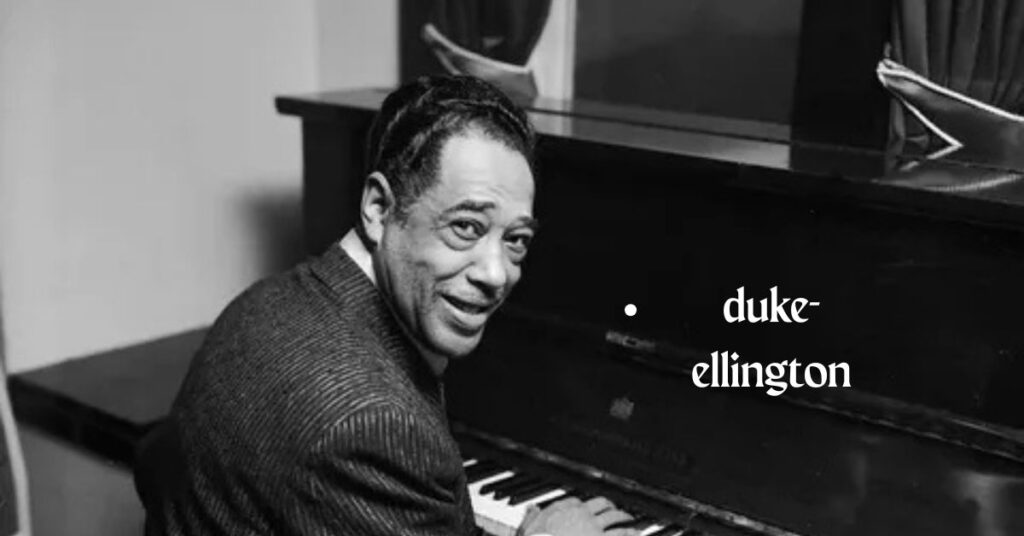
Much of his financial strength came from original compositions. Many of them became classic pieces of the American songbook, producing steady composer royalty streams and strong returns due to income from sheet music sales. These works show the musical contribution worth that shaped his legacy.
Because his songs became timeless, they still generate jazz composition earnings today. Modern radio, streaming platforms, and educational use continue to create income and prove the strong royalty generation capability of his catalog.
Income from Live Performances & Global Tours
Ellington toured constantly across the United States and the world. His concerts filled theaters and clubs, offering strong live show revenue and giving him access to new audiences. His band performed through key moments in history, and each decade added more value to his financial growth.
These tours also contributed to his global performance income. As the orchestra gained fame, performance fees rose, creating a long timeline of performance fee history and touring musician finances that show how much his reputation affected his income.
Record Deals, Contracts & Royalties
Record companies often sought Ellington due to his influence and commercial reliability. His agreements reflected the music industry revenue flow of the time, while his catalog helped him earn from music royalties income long after recording sessions ended.
These contracts also produced strong distribution contract income, allowing his albums to remain available in stores worldwide. His royalty payments continued through decades, turning his recordings into a clear example of classic jazz recordings with strong financial return.
Duke Ellington’s Investments & Business Ventures
Alongside music, Ellington also explored small investments and business opportunities. These ventures supported his income and softened the financial pressures of touring and recording. They show his early understanding of long-term asset appreciation and the importance of stability in a creative career.
He also kept control of key artistic rights, which improved his ownership rights in music and added more security to his estate. This forward-thinking approach helped the financial side of his legacy stay firm.
His Most Successful & Highest-Earning Songs
Several signature works created major earnings. These pieces continue to build revenue from signature songs due to their use in films, radio, academic settings, and modern media.
Some of his highest-income works include:
| Song Title | Reason for High Value | Long-Term Income Strength |
| “Mood Indigo” | Global recognition | Strong catalog performance |
| “It Don’t Mean a Thing” | Cultural influence | High re-release demand |
| “Sophisticated Lady” | Musical depth | Steady streaming royalties |
| “Take The ‘A’ Train” (band signature) | Iconic status | Continuous usage |
Together, they represent a major part of the classic bandleader pay and catalog value he built during his career.
Ellington’s Awards, Achievements & Financial Impact
Awards added to his career strength. Recognition from national and international institutions increased the financial significance of awards and helped push his catalog into higher commercial territory.
These honors also added cultural weight to his work, boosting the cultural value and increasing earnings that still influence his catalog today. Awards also helped his estate negotiate stronger usage fees for his music.
Duke Ellington’s Lifestyle, Spending Habits & Assets
Ellington lived a disciplined life focused heavily on music. He traveled for most of the year, spending money mainly on travel, meals, and support for his band. His homes, instruments, and personal items reflected a stable but not overly extravagant lifestyle.
Much of his money returned to his work, supporting musicians, concerts, and new projects. These choices built a strong base for future long-term royalty performance and kept his finances steady across decades.
Estates, Copyright Ownership & Long-Term Wealth
Ellington’s publishing rights held major value. His catalog produced steady copyright royalty value, forming a foundation that still generates money today. Control over these rights allowed his family to manage the musician’s estate effectively.
His estate includes a large body of work that still brings in post-career income generation through new recordings, textbooks, and public performances.
Who Inherited Duke Ellington’s Wealth After His Death?
The majority of his estate passed to his son, Mercer, and his daughter, Mercer’s half-sister. They oversaw his catalog and maintained asset distribution after death in a stable manner. They also protected his music through professional management, ensuring the catalog remains respected.
This management created steady posthumous earnings potential, keeping the value of his catalog strong for future generations.
How Much Would Duke Ellington Be Worth in Modern Currency?
If modern valuations are applied, his total wealth would rise greatly due to the current value of archived music worth, performance rights, and re-licensed songs. Inflation, global expansion of streaming, and renewed interest in classic jazz push his adjusted worth far above his original earnings.
Modern analysts also consider the stronger music licensing opportunities available today, which add notable value to his legacy.
Duke Ellington vs Other Jazz Legends: Net Worth Comparison
When compared with other major names in jazz history, Ellington stands near the top due to the size of his catalog and global presence. His work rivals and sometimes surpasses the financial paths of other great artists, especially in terms of legacy musician income.
His catalog’s revival of classic recordings plays a major part in this comparison, showing how strong his modern financial relevance remains.
CONCLUSION
Ellington left behind a rare combination of artistic beauty and financial depth. His songs continue to earn through steady royalties, new recordings, and cultural use. His estate benefits from strong catalog management, renewed public interest, and constant growth in the value of classic American music.
His path shows how one creative mind can build a lasting financial foundation through talent, discipline, and forward-looking control of artistic rights.
FAQ’s
What was Duke Ellington’s net worth when he died?
Duke Ellington’s net worth at the time of his death in 1974 was estimated at around $10 million.
What was Louis Armstrong’s net worth?
Louis Armstrong’s net worth at the time of his death was estimated at $25 million.
What was Miles Davis’s net worth when he died?
Miles Davis had an estimated net worth of $30 million when he passed away in 1991.
Who is the biggest jazz artist of all time?
Many consider Louis Armstrong the biggest jazz artist of all time.
Who is the real King of Jazz?
The real King of Jazz is widely recognized as Paul Whiteman.
What is the #1 jazz song of all time?
“Take Five” by Dave Brubeck is often ranked as the #1 jazz song of all time.
